
What this service involves
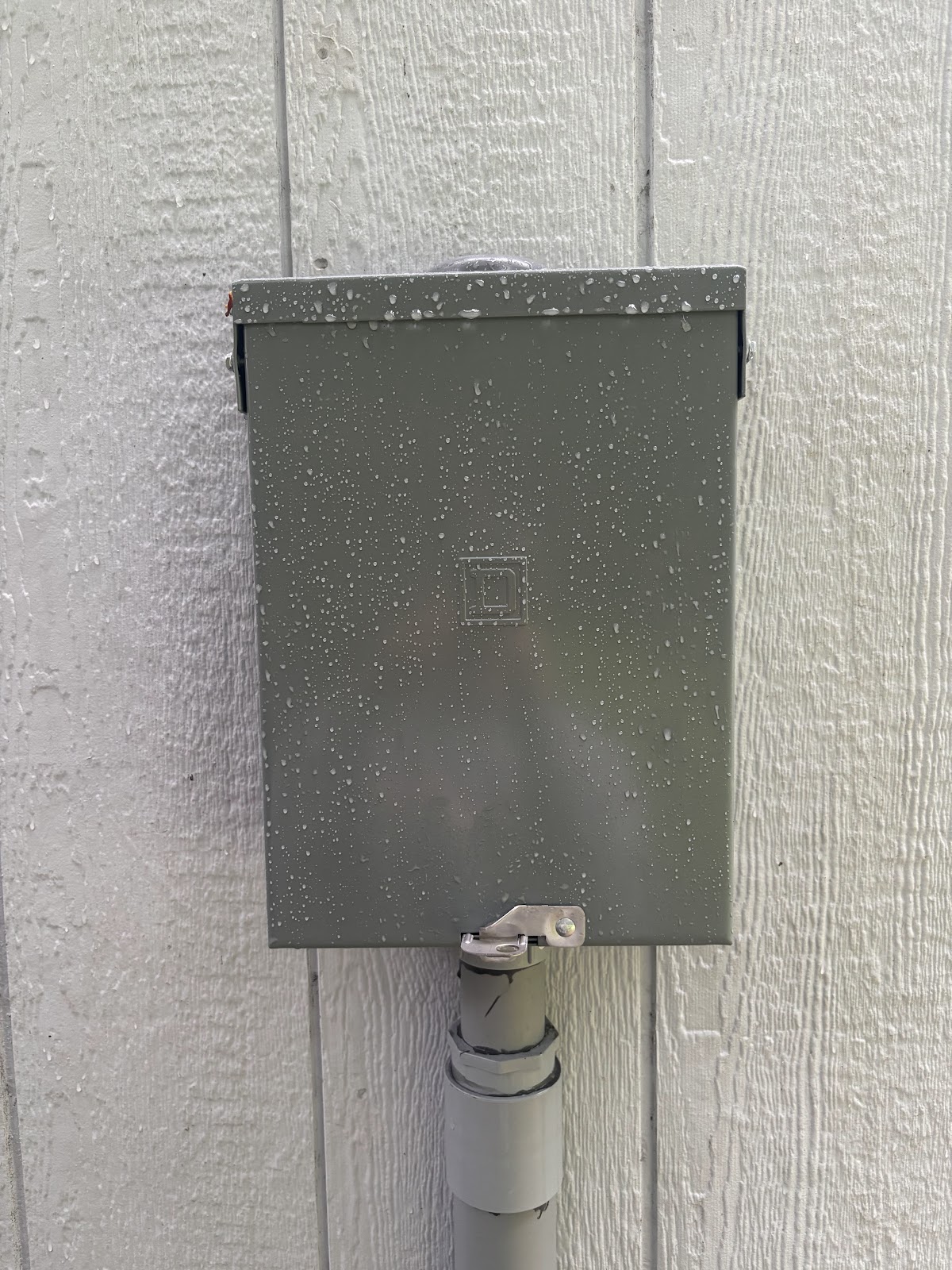
Install a suitable outdoor disconnect for equipment or a feeder.
Typical scope and limits: Range is for 30–100A non-service equipment. A 200A service disconnect is estimated at roughly $1500–$3500.
Who usually needs it
Homes that need more breaker spaces near a garage, addition, workshop or detached building, or where a main panel is full.
Estimated pricing
$540–$1,440 per disconnect
Priced per disconnect. This is a planning range, not a quote.
Project ranges include labor and standard installation materials unless a listing says otherwise. Hourly rates are labor only, and equipment you supply (such as chargers, fixtures or fans) is not included. Permit fees and sales tax are additional. Estimates are free, including on-site visits.
Electrical work may require openings in walls or ceilings. Drywall patching, texture, and painting are not included and must be arranged with others.
What an electrician evaluates first
- Main panel capacity and available space for a feeder breaker
- Distance and route to the subpanel location
- Whether the subpanel is in the same building or a separate structure
- Planned loads at the new location
Typical work sequence
- Confirm loads and location
- Plan feeder size and route
- Install the feeder and subpanel
- Connect new or relocated circuits
- Inspection and labeling
Access and disruption
Feeder routes may pass through attics, crawlspaces, garages or underground. Finished walls along the route can need openings.
Permits and inspection
New circuits, equipment changes and most wiring alterations normally need an electrical permit and inspection. In Washington, Labor & Industries issues electrical permits except in cities that run their own electrical program, so the permitting authority depends on the property address rather than the mailing city. True confirms the correct authority before work starts. Permit fees are additional to the estimate.
Helpful, safe photos
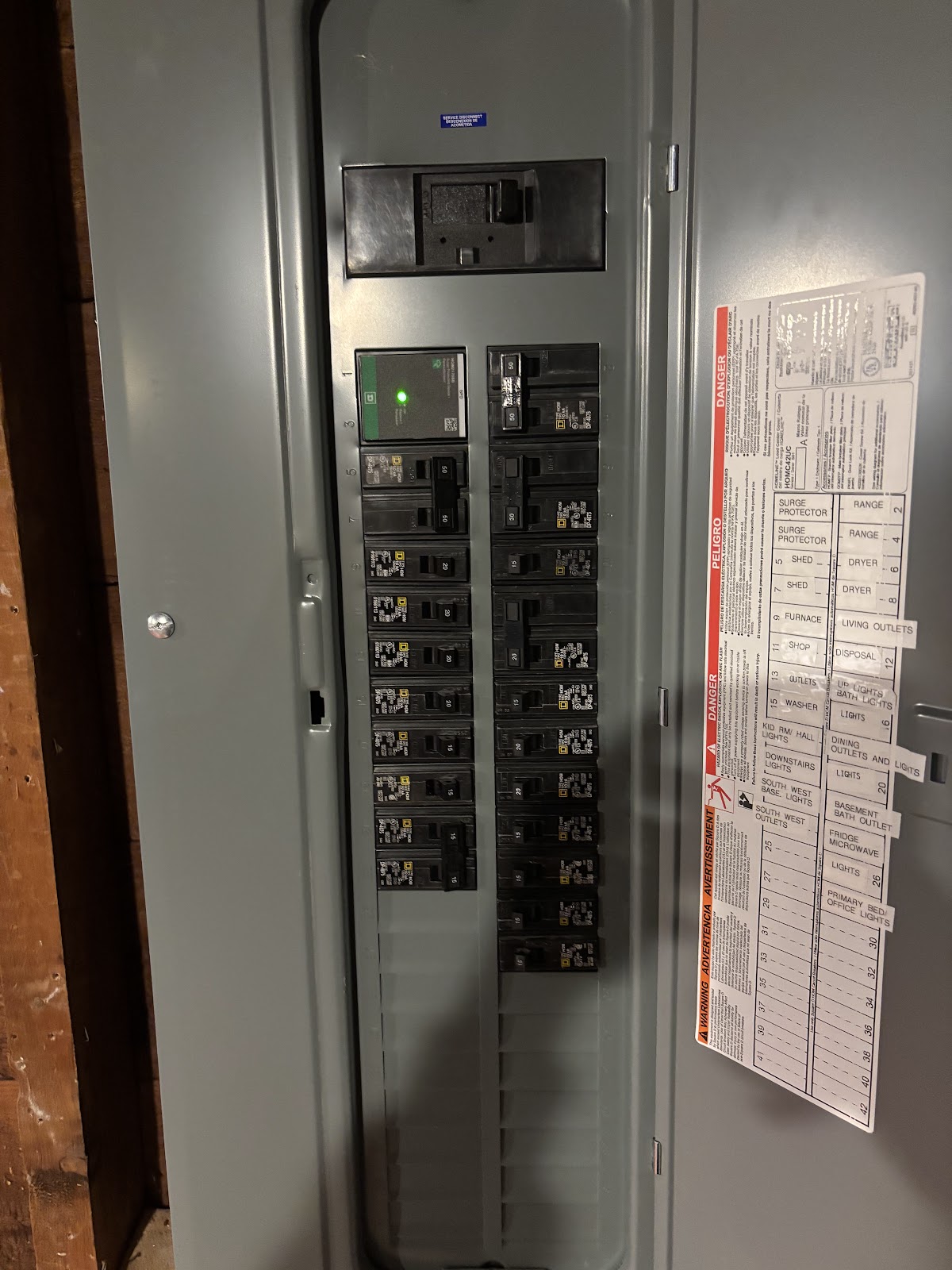
The closed main panel, the proposed subpanel location and the path between them. Only photograph what is safely visible — never remove electrical covers.
Related True Wire work
Photos from related projects; they are not necessarily this exact service.
Questions
Does a subpanel increase my electrical capacity?
No. It distributes power from the existing service. Whether the service can support the added loads is checked with a load calculation.
Is a detached building different?
Yes. Separate structures have their own disconnect and grounding considerations, and trenching may be needed.
Not sure what you need?
Send a photo. Ask a certified electrician.
Not sure what you need? Send a photo and tell True what’s going on or what you’d like to change. Get help understanding your options and the next step.
Tell True about your project
What happens next
Tell us what you’re working on. True will review your request and respond by your preferred contact method. Together, we’ll determine whether the next step is advice based on your photos, a visit, or an estimate. Estimates are free, including on-site visits.